

Introduction: The Automobile’s Enduring Allure
Since its inception, the automobile has occupied a singular position in the modern imagination—a mechanical embodiment of freedom, innovation, and human aspiration. From the rattletrap Model T to the sleek, whisper-quiet electric sedans gracing today’s boulevards, the automobile’s evolution is a testament to humankind’s insatiable desire to refine, to move faster, and to connect more deeply with the world around us.
A Brief Drive Through History
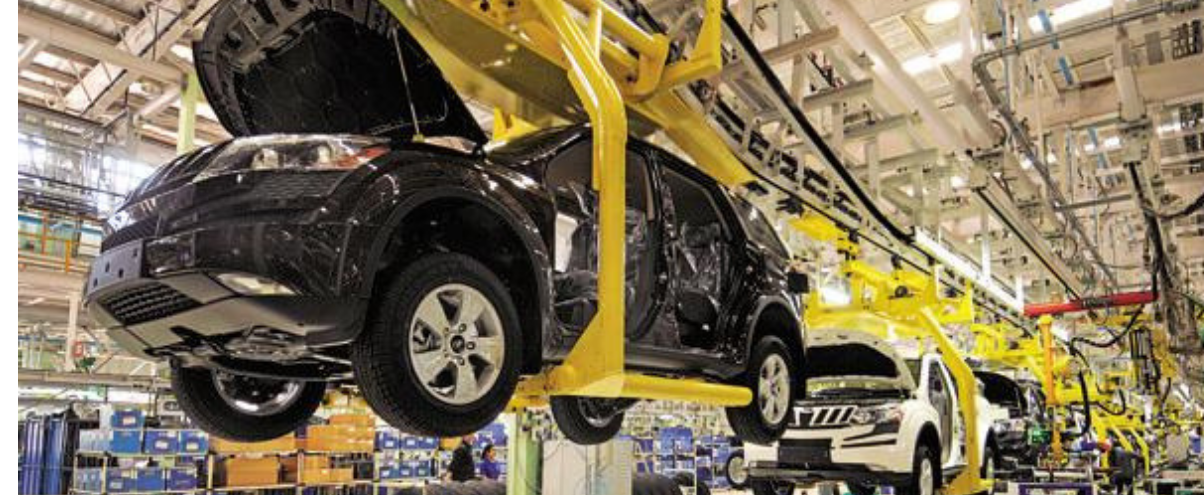
The genesis of the automobile traces back to the late 19th century, when the internal combustion engine began its transformative work on human mobility. Karl Benz’s Patent Motorwagen of 1886 laid the groundwork, but it was Henry Ford’s Model T that truly democratized the car. By streamlining production and reducing costs through assembly-line manufacturing, Ford placed a previously unattainable luxury within reach of the average household. With cars came roads, with roads came suburbs, and with suburbs came an entirely new way of life that redefined the geography of cities and the rhythms of daily existence.
The Machine That Changed Societies
It is impossible to overstate how profoundly the automobile has reshaped society. Entire industries—steel, oil, rubber, glass—swelled to meet the insatiable demands of mass car production. Service stations, motels, and roadside diners sprouted along expanding highway networks. The car gave rise to the modern commuter, the family road trip, and the suburban dream. Even cultural phenomena like drive-in cinemas and iconic roadside architecture owe their existence to the auto’s ubiquity.
Yet the story is not merely one of economic boom. The environmental and social costs of widespread automobile dependency are equally woven into its narrative—congested cities, air pollution, traffic fatalities, and sprawling urban footprints that challenge sustainability efforts today.
Design and Innovation: An Ever-Advancing Craft
At its heart, the automobile is an evolving canvas for engineering prowess and aesthetic vision. Design trends have shifted dramatically—from the chrome-heavy, tail-finned exuberance of mid-century American classics to the aerodynamic minimalism favored by today’s electric vehicle pioneers. Beneath these stylistic revolutions lie constant mechanical and technological advancements.
Notable innovations include:
-
Safety Breakthroughs: Seatbelts, airbags, anti-lock braking systems (ABS), and crumple zones have turned once-lethal car accidents into survivable events.
-
Fuel Efficiency: Advancements in fuel injection, hybrid drivetrains, and lightweight materials have reduced fuel consumption and emissions.
-
Connectivity: Modern vehicles boast integrated infotainment systems, advanced navigation, and real-time diagnostics, bringing the internet age to the driver’s seat.
The Age of Electric and Autonomous Vehicles
If the 20th century belonged to the internal combustion engine, the 21st is rapidly becoming the domain of the electric motor and artificial intelligence. The push toward sustainability, driven by climate imperatives and tightening regulations, has made electric vehicles (EVs) a mainstay rather than a novelty. Companies like Tesla have catapulted the EV into the mainstream, while legacy automakers from Ford to Volkswagen scramble to electrify their fleets.
Equally revolutionary is the quest for autonomy. Advanced driver-assistance systems (ADAS) already handle lane-keeping, adaptive cruise control, and collision avoidance. The vision, however, is full autonomy—vehicles that navigate city streets and highways with minimal human oversight, transforming the role of the driver into that of a passive passenger.
How Automation Could Redefine Mobility
The promise of autonomous vehicles reaches far beyond convenience. Proponents foresee:
-
Reduced Traffic Accidents: By eliminating human error, self-driving cars could dramatically cut collision rates.
-
Optimized Traffic Flow: Connected vehicles can communicate with each other and with infrastructure to reduce congestion.
-
Greater Accessibility: Elderly and disabled individuals could enjoy newfound mobility.
-
Shared Fleets: Autonomous ride-sharing services may reduce the need for individual car ownership, easing urban parking woes and cutting emissions.
Of course, these dreams come with formidable challenges—technical, ethical, and regulatory. Questions linger about liability in the event of accidents, the threat of hacking, and the societal impact of displaced driving-related jobs.
The Emotional Bond Between Human and Machine
Despite its industrial and technological identity, the automobile occupies an emotional space in human life that few inventions rival. For many, a car is far more than a means of transportation—it is freedom, status, and self-expression rolled into a gleaming package. Classic car collectors treasure the purr of vintage engines and the craftsmanship of eras gone by. Motorsports fans gather to celebrate the adrenaline of speed and competition. Even daily commuters form quiet attachments to the vehicles that bear witness to the mundane yet meaningful moments of life.
The Road Ahead: Sustainability and Smart Mobility
Looking forward, the auto industry stands at a pivotal crossroads. Climate change demands profound shifts—lighter materials, renewable energy integration, and the proliferation of charging infrastructure. Urban planners increasingly champion the concept of smart cities, where vehicles interact seamlessly with roads, traffic signals, and even pedestrians. Car sharing and mobility-as-a-service (MaaS) platforms hint at a future where car ownership is less about possession and more about efficient, flexible access.
Manufacturers must now balance the competing imperatives of sustainability, affordability, and the enduring human desire for the visceral thrill of the open road. As they do, they will redefine not only what a car looks like but what it means to us.
Conclusion: The Automobile as a Mirror
In the end, the story of the automobile is deeply intertwined with the story of modern civilization itself. It mirrors our ambitions, our ingenuity, our excesses, and our relentless pursuit of progress. From the gasoline-scented garages of the early 1900s to the sleek, whisper-quiet EVs gliding silently down smart highways, the automobile continues its journey—forever evolving, forever inviting us to imagine where the next turn might lead.
