

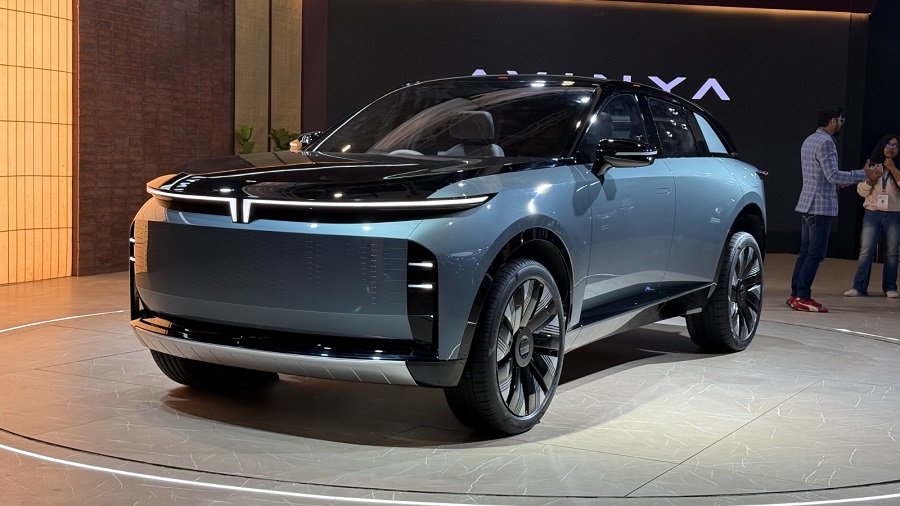
Introduction: A Machine, A Movement, A Mirror
Few inventions have left as profound an imprint on human life as the automobile. More than just a machine designed to ferry people from place to place, the auto is a mirror that reflects our ambitions, anxieties, and values. It shapes how we build cities, how we design our days, and how we imagine the future. To understand the story of the auto is to trace the arc of modern civilization itself—a journey marked by innovation, excess, reinvention, and resilience.
A Brief History: From Tin Lizzie to Turbocharged Tech
The earliest cars were hand-built curiosities, strange contraptions chugging along cobbled streets to the astonishment of horse-drawn carriages. Karl Benz’s Motorwagen may have fired the first shot in the auto revolution, but it was Henry Ford’s assembly line that gave the car its democratic power. By 1927, Ford had produced over fifteen million Model Ts—each one a promise of freedom and self-reliance. The auto was no longer an aristocratic indulgence; it had become a staple of the emerging middle class.
As decades passed, cars evolved from simple, boxy workhorses into gleaming symbols of style and performance. Post-war America fell in love with muscle cars and convertibles, chrome and fins gleaming under neon signs and big skies. European marques like Ferrari and Jaguar turned engineering into art, while Japanese automakers brought durability and efficiency to the fore, changing global expectations forever.
The Auto’s Impact: More Than Movement
The car’s influence goes well beyond the roar of an engine or the gleam of a showroom finish. It has sculpted our physical and cultural landscapes in ways that are both obvious and invisible.
Urban Planning and Sprawl
Cities that once grew around rivers and railroads reoriented themselves around roads and parking lots. Suburbs expanded relentlessly outward, connected by highways that made daily commutes possible—if not always pleasant. Shopping malls replaced town squares, drive-throughs replaced diners, and entire economies sprang up to serve the needs of drivers.
Economic Engine
The auto industry is a pillar of the global economy. It supports millions of jobs—from assembly line workers to designers, mechanics to marketers. Ancillary industries—oil, steel, rubber, insurance—flourished alongside it. A healthy auto industry has long been seen as a barometer for broader economic vitality.
Culture and Identity
Cars have always been more than metal. They carry dreams and identity. For teenagers, a first car means independence. For enthusiasts, a vintage model is a treasure chest of nostalgia and craft. For communities, car clubs and races forge bonds stronger than steel frames.
Design Evolution: Function Meets Emotion
Each era leaves its fingerprints on auto design. The 1950s gave us flamboyant tailfins and pastel palettes. The oil crises of the 1970s inspired compact, fuel-efficient hatchbacks. The 1990s and early 2000s brought SUVs into suburban driveways in unprecedented numbers.
Today’s design language blends aerodynamic minimalism with high-tech elegance. Interiors are no longer just dashboards and dials—they’re immersive cockpits equipped with touchscreens, smart assistants, and plush comforts that make a traffic jam feel like a lounge.
Safety: An Ongoing Revolution
With great freedom comes great responsibility—and the auto’s early years were fraught with danger. Speed met fragile human bodies with tragic results, prompting decades of engineering focused on saving lives.
Key safety innovations include:
-
Seatbelts and Airbags: Now standard but once radical, these inventions have saved countless lives
-
Anti-Lock Brakes (ABS): Preventing skids during sudden stops
-
Electronic Stability Control: Helping drivers maintain control in poor conditions
-
Advanced Driver-Assistance Systems (ADAS): Features like blind-spot monitoring, lane-keeping assist, and automatic emergency braking are common today
The Green Shift: Driving Toward Sustainability
The modern auto must contend with the legacy of its own success. Fossil fuel dependence and carbon emissions have made the internal combustion engine a prime target in the fight against climate change. As cities choke on smog and ice caps melt, the auto industry faces an existential challenge: reinvent or be regulated into irrelevance.
Electric vehicles (EVs) have emerged as the face of this reinvention. Tesla shattered the image of the EV as a quirky, underpowered gadget, making battery power synonymous with prestige and performance. Legacy giants like General Motors, Volkswagen, and Toyota are now in fierce pursuit, investing billions to electrify their fleets.
Driving this shift are:
-
Battery Advances: More range, faster charging, better recycling
-
Policy Pushes: Governments offering tax incentives, setting emissions targets, and banning combustion engines outright in some regions
-
Changing Consumer Attitudes: Buyers who once prized horsepower above all now want sustainability without sacrificing comfort or style
Autonomy: The Driverless Horizon
Perhaps the most radical frontier is autonomy. Once confined to science fiction, self-driving cars are now test-driving themselves through our cities, learning, refining, and sometimes failing in spectacular fashion.
Advocates promise fewer accidents, smoother traffic, and freedom from the drudgery of daily driving. Critics worry about job losses, ethical dilemmas, and the technological leap of faith required to trust a machine with human lives.
Regardless of pace, autonomy is coming. Already, features like adaptive cruise control and self-parking blur the line between driver and passenger. Tomorrow’s car may be less about driving and more about what you can do while being driven.
The Emotional Connection: Why We Still Love Cars
Amid all this talk of carbon footprints, algorithms, and automation, it’s worth remembering why the auto inspires such fierce devotion. It’s the thrill of the open road, the late-night drive to nowhere in particular, the ritual of washing and waxing on a Sunday morning.
Cars are time capsules, keeping the scent of old leather and the memories of road trips long past. They are blank canvases for self-expression, from racing stripes to bumper stickers. They are teachers—of patience when stuck in traffic, of focus when taking a winding mountain pass.
Conclusion: The Road Ahead
The auto is far from obsolete. It is, instead, on the cusp of its greatest transformation yet. Cleaner, smarter, safer, more connected—tomorrow’s car will not just carry us to our destinations, but will carry forward our ideals for a better world.
It will still be a machine. But if the past century has taught us anything, it will remain something more: a companion, a canvas, a testament to our restless drive to keep moving forward.
