

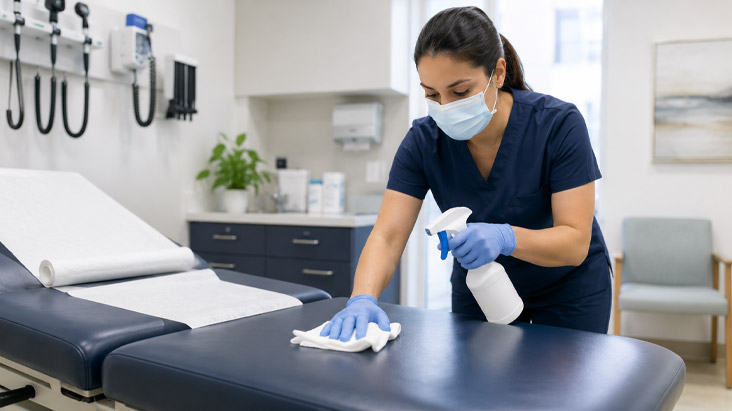
In a world where health and safety have never been more important, mastering infection control is essential for professionals in the healthcare cleaning sector. As we navigate the complexities of maintaining sterile environments, understanding the intricacies of effective cleaning practices becomes vital. This comprehensive guide delves into the core principles of professional healthcare cleaning in the UK, equipping you with the necessary tools and knowledge to elevate your infection control efforts.
From using advanced cleaning techniques to implementing stringent safety protocols, each aspect plays a crucial role in safeguarding patients, staff, and visitors alike. Join us as we explore best practices, expert tips, and the latest innovations that can transform your approach to healthcare cleaning, ensuring that facilities remain compliant and safe.
Let us embark on this journey towards excellence in infection control, creating healthier spaces for all.
Understanding Infection Control in Healthcare Settings
Infection control within healthcare settings is a multi-faceted discipline that ensures the safety and well-being of patients, staff, and visitors. It encompasses a wide range of practices aimed at preventing the spread of infectious agents, such as bacteria, viruses, and fungi. These practices are crucial in environments where individuals are particularly vulnerable, including hospitals, clinics, nursing homes, and other healthcare facilities. By adhering to stringent infection control measures specialist cleaning and contamination controlservices ,healthcare providers can significantly reduce the risk of healthcare-associated infections (HAIs), which can lead to severe health complications and increased healthcare costs.
The foundation of effective infection control lies in understanding the transmission pathways of various pathogens. In healthcare settings, infections can spread through direct contact, droplet transmission, airborne particles, contaminated surfaces, and medical instruments. Each of these transmission routes requires targeted strategies to mitigate the risk of infection. For instance, hand hygiene, the use of personal protective equipment (PPE), and proper sterilisation of medical equipment are essential components of a comprehensive infection control programme.
Infection control is not a static discipline; it continually evolves in response to emerging pathogens and changing healthcare practices. The COVID-19 pandemic, for example, has underscored the critical importance of infection control measures and prompted the adoption of enhanced protocols across healthcare facilities worldwide. By staying informed about the latest developments in infection control and integrating evidence-based practices into their routines, healthcare cleaning professionals can play a pivotal role in safeguarding public health.
The Importance of Professional Cleaning in Infection Prevention
Professional cleaning in healthcare settings is more than just maintaining a tidy environment; it is a cornerstone of infection prevention. The meticulous cleaning and disinfection of surfaces, medical equipment, and patient areas help eliminate pathogens that can cause infections. This process requires specialised knowledge, techniques, and products to ensure that all areas are thoroughly cleaned and safe for use.
Infection prevention through professional cleaning focuses on regularly disinfecting high-touch surfaces such as door handles, bed rails, and light switches, which are common sources of contamination. This helps reduce microbial spread and infection risk. Cleaning less obvious areas, including ventilation systems and behind equipment, is also essential for maintaining a safe, hygienic environment.
The effectiveness of professional healthcare cleaning depends on using the right cleaning agents and disinfectants for specific pathogens and surfaces. Some products may work better against bacteria than viruses, so careful selection is essential. Understanding these differences helps healthcare cleaning professionals ensure safe, effective, and targeted infection control.
Key Principles of Effective Healthcare Cleaning
Effective healthcare cleaning is guided by several key principles that ensure the thorough removal of contaminants and the prevention of infection. One of the fundamental principles is the use of a structured cleaning protocol that outlines the steps and procedures for cleaning different areas within a healthcare facility. This protocol should be based on evidence-based guidelines and tailored to the specific needs of the facility.
A key part of effective healthcare cleaning is the use of a colour-coded system, with designated cloths and mops for specific areas such as patient rooms, bathrooms, and communal spaces. This helps prevent cross-contamination and improves cleaning effectiveness. Regular monitoring and audits are also essential to ensure procedures are followed and standards are maintained. By reviewing cleaning practices and addressing any issues, healthcare cleaning professionals can continuously improve hygiene levels and support safer, more hygienic environments.
Regulatory Standards and Guidelines for Healthcare Cleaning in the UK
In the UK, healthcare cleaning is governed by a comprehensive framework of regulatory standards and guidelines designed to ensure high levels of hygiene and infection control. The Care Quality Commission (CQC) is the primary regulatory body responsible for overseeing the quality of care in healthcare settings, including cleanliness and infection control. Healthcare facilities are required to comply with CQC standards to ensure the safety and well-being of patients.
The National Institute for Health and Care Excellence (NICE) also provides guidelines on infection prevention and control, offering evidence-based recommendations for cleaning and disinfection practices. These guidelines cover a wide range of topics, including hand hygiene, the use of PPE, and the cleaning of different areas within healthcare facilities. By following NICE guidelines, healthcare cleaning professionals can ensure that their practices are aligned with the latest standards and best practices.
The Department of Health and Social Care (DHSC) provides guidance on infection control and environmental cleanliness, including cleaning protocols, product selection, and staff management. Following DHSC standards is essential for maintaining safe, hygienic healthcare environments. Compliance ensures that healthcare cleaning practices are both effective and aligned with national regulatory requirements.
Best Practices for Cleaning Different Healthcare Environments
Different healthcare environmentsthe North Westhave unique cleaning requirements that must be addressed to ensure effective infection control. For example, cleaning in a surgical theatre in Manchester requires a different approach compared to cleaning in a general ward or outpatient clinic in Lancaster. Understanding the specific needs of each environment is essential for developing targeted cleaning protocols.
In surgical theatres, maintaining a sterile environment is essential to prevent post-operative infections. This requires high-level disinfection and thorough cleaning of all surfaces, including floors, walls, and medical equipment, using sterile cloths, mops, and suitable disinfectants.
In general wards and outpatient clinics, the focus is on routine cleaning and disinfection of high-touch areas such as bed rails, bedside tables, examination tables, and waiting areas. A colour-coded cleaning system and strict adherence to protocols help prevent cross-contamination. Tailoring cleaning practices to each healthcare setting helps reduce infection risks and ensures a safe environment for patients and staff.
Essential Cleaning Products and Equipment for Healthcare Facilities
The selection of cleaning products and equipment is a critical aspect of effective healthcare cleaning. The right products and equipment can significantly enhance the efficiency and efficacy of cleaning efforts, ensuring that all areas are thoroughly disinfected and free from contaminants. Healthcare cleaning professionals must be knowledgeable about the various options available and their appropriate use.
Disinfectants and appropriate cleaning equipment are essential for effective healthcare cleaning. Choosing the right products for specific surfaces and pathogens, while following manufacturer guidelines, ensures effective disinfection. Tools such as microfiber cloths, steam cleaners, and UV disinfection technology can further improve cleaning efficiency, reduce risks, and support safer healthcare environments.
Training and Certification for Healthcare Cleaning Staff
The training and certification of healthcare cleaning staff are vital components of an effective infection control programme. Proper training ensures that staff are knowledgeable about the latest cleaning techniques, infection control practices, and regulatory requirements. Certification provides a formal recognition of their skills and expertise, helping to maintain high standards of cleanliness and hygiene within healthcare facilities.
Training programmes for healthcare cleaning staff should cover a wide range of topics, including the principles of infection control, the use of cleaning products and equipment, and the implementation of cleaning protocols. Hands-on training is essential to ensure that staff are confident in their abilities and can perform their duties effectively. Regular refresher courses are also important to keep staff updated on the latest developments in infection control and cleaning practices.
Certification programmes such as those offered by the British Institute of Cleaning Science (BICSc) provide structured training for healthcare cleaning staff. They combine theory and practical skills to ensure a clear understanding of roles and responsibilities. Investing in certified training helps healthcare facilities build a skilled workforce and strengthen infection control efforts.
The Role of Technology in Modern Healthcare Cleaning
Technology is transforming healthcare cleaning by improving efficiency and strengthening infection control. Advanced solutions, such as automated equipment and UV disinfection robots, help provide consistent and effective cleaning. Using UV-C light, these robots target a wide range of pathogens, including bacteria, viruses, and fungi, making them particularly valuable in hard-to-reach areas. By integrating innovative technology into cleaning practices, healthcare facilities can enhance hygiene standards and create safer environments for patients, staff, and visitors.
Another technological innovation is the use of electrostatic sprayers for disinfecting surfaces. These sprayers use an electrostatic charge to evenly distribute disinfectant particles, ensuring that all surfaces are thoroughly coated. This method is highly effective at reaching areas that may be missed by traditional cleaning methods, such as crevices and corners. The use of electrostatic sprayers can enhance the overall effectiveness of cleaning efforts and reduce the risk of infection.
Technology and data analytics are transforming healthcare cleaning by helping facilities monitor practices, identify improvements, and optimise resources. By using data-driven insights and innovative solutions, cleaning professionals can strengthen infection control measures and create safer environments for patients, staff, and visitors.
Elevating Standards in Healthcare Cleaning for Better Patient Outcomes
In conclusion, mastering infection control through professional healthcare cleaningis essential for ensuring the safety and well-being of patients, staff, and visitors. By understanding the principles of infection control, adhering to regulatory standards and guidelines, and implementing best practices for cleaning different healthcare environments, cleaning professionals can significantly reduce the risk of infection and improve patient outcomes.
At Assured Cleaning Preston , they understand that effective infection control relies on the right cleaning products, advanced equipment, and highly trained professionals. By combining industry expertise, innovative cleaning technology, and a commitment to best practices, they deliver efficient and reliable healthcare cleaning solutions that help maintain safe, hygienic environments.
Creating cleaner and safer healthcare spaces is a shared responsibility. The team works closely with healthcare providers and organisations to uphold the highest standards of cleanliness, compliance, and patient safety.
Through continuous improvement and a dedication to excellence, Assured Cleaning helps facilities remain secure, welcoming, and focused on supporting better outcomes for everyone.
