

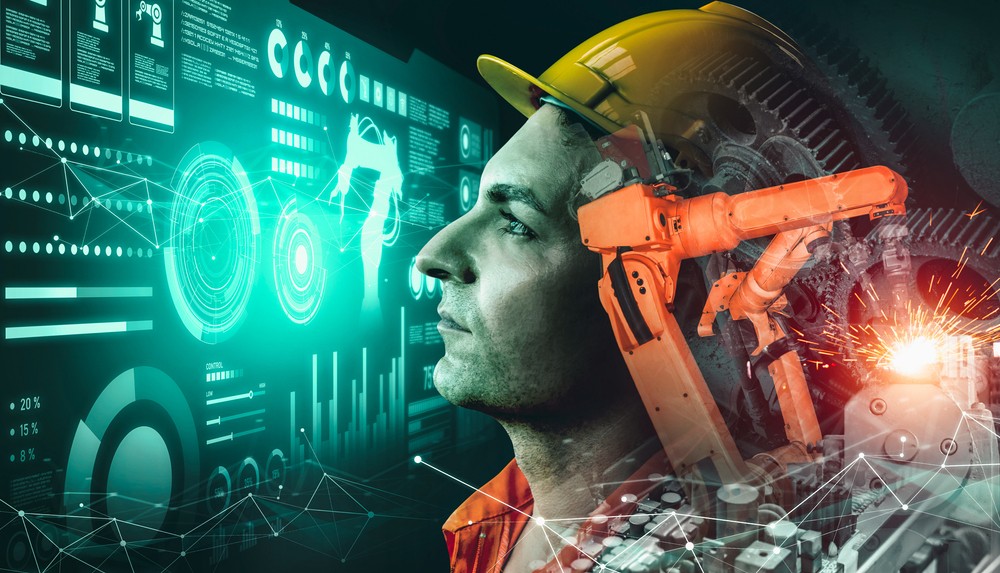
Introduction: The Silent Sculptor of Modern Civilization
Technology has become so seamlessly integrated into our lives that we rarely pause to consider its transformative influence. It whispers in our homes through smart devices, drives decisions through algorithms, and bridges continents with invisible signals. Yet beneath this quiet presence lies a powerful force—one that continuously sculpts economies, cultures, and human potential. Technology is not merely a collection of gadgets or systems; it is a living force, evolving with us, sometimes ahead of us, always shaping the way we live, think, and connect. To understand technology today is to examine not only its mechanisms but also its meaning.
The Digital Convergence: A Seamless Integration of Realities
We are living in a time of digital convergence, where technologies that once seemed separate—communication, computation, automation—now intertwine effortlessly. What once required entire rooms of hardware now fits into the palm of a hand. Our smartphones are no longer just phones; they are libraries, banks, navigation systems, studios, and social hubs. Behind these devices, complex technologies such as cloud computing, 5G, artificial intelligence, and edge computing orchestrate a digital symphony.
Key dimensions of this convergence include:
-
Ubiquitous Connectivity: 5G and fiber networks are reducing latency and expanding access to real-time digital experiences
-
Device Ecosystems: Smart homes, wearables, and IoT devices operate in fluid synchrony, anticipating user behavior and preferences
-
Seamless Integration: Technologies such as voice assistants and automation tools create frictionless interactions across platforms
This convergence is not just about convenience. It is about reshaping human experience—compressing time, erasing distance, and amplifying possibility.
Artificial Intelligence: From Utility to Intelligence Partner
Artificial intelligence has matured far beyond its roots in computational theory. Today, AI powers virtual assistants, medical diagnostics, financial algorithms, content recommendations, and more. Its defining strength lies not merely in processing data, but in learning from it—adapting, predicting, and making autonomous decisions at scale.
Applications of AI across sectors:
-
Healthcare: AI-driven imaging and predictive analytics are improving diagnostic accuracy and patient outcomes
-
Finance: Algorithms detect fraud in real time and tailor investment strategies to individual behavior patterns
-
Retail and Marketing: Personalized recommendations enhance customer experience and drive engagement
The rise of AI invites a deeper dialogue on responsibility. As machines make more decisions, the human role becomes less about control and more about ethical guidance and oversight.
Sustainability Through Innovation: Technology as a Green Ally
One of the less celebrated, yet profoundly important roles of technology is in sustainability. The climate crisis has reached a critical point, and innovation offers tools for mitigation and adaptation. From energy to agriculture, technological advancements are enabling smarter, more sustainable practices.
Technology-driven sustainability efforts include:
-
Renewable Energy Solutions: Smart grids, solar panel innovations, and wind energy analytics enhance efficiency and scalability
-
Precision Agriculture: IoT-enabled sensors and drones help farmers use water, fertilizers, and pesticides more responsibly
-
Waste Reduction: AI-powered logistics and supply chain tools minimize excess inventory and improve recycling processes
By aligning innovation with environmental responsibility, technology becomes a powerful ally in preserving the planet for future generations.
Remote Work and Digital Collaboration: A New Professional Paradigm
The global shift to remote work, accelerated by the COVID-19 pandemic, has been more than a temporary adjustment—it is the blueprint for a new working world. Technology has allowed for seamless collaboration, bridging continents and time zones without sacrificing productivity.
Transformations in the workplace include:
-
Virtual Workspaces: Platforms like Zoom, Microsoft Teams, and Slack enable real-time communication and project management
-
Cloud Computing: Secure data access from anywhere fosters flexibility and continuity
-
Digital Onboarding and Training: Virtual reality and interactive platforms streamline orientation and skill development
Remote work technology has empowered both employers and employees, expanding talent pools and offering greater autonomy. At the same time, it demands new approaches to team cohesion, mental health, and work-life balance.
Education Reimagined: From Classrooms to Global Knowledge Networks
Perhaps nowhere is technology’s transformative potential more evident than in education. Traditional models of learning—bound by geography, schedule, and access—are being disrupted in favor of more inclusive, flexible, and personalized approaches.
Technological innovations shaping education:
-
E-Learning Platforms: Tools like Khan Academy, Coursera, and edX democratize access to world-class instruction
-
Gamification and Interactivity: Educational apps engage learners through storytelling, rewards, and adaptive feedback
-
Virtual and Augmented Reality: Immersive experiences make abstract concepts tangible, from molecular biology to historical reenactments
Technology in education is not about replacing teachers but enhancing their reach and resources. When applied thoughtfully, it can elevate learning outcomes and close systemic gaps.
Cybersecurity and Data Ethics: Guarding the Digital Frontier
As digital dependency deepens, the importance of cybersecurity and ethical data management intensifies. Data is the currency of the modern world, and its protection is no longer optional—it is foundational.
Pressing concerns in cybersecurity and data ethics:
-
Ransomware and Hacking: Both businesses and individuals face rising threats that compromise privacy and security
-
Data Sovereignty: Countries are asserting control over how their citizens’ data is stored and processed
-
Algorithmic Bias: As decisions are automated, ensuring fairness and accountability becomes imperative
A refined technological future demands more than innovation; it requires trust, transparency, and ethical governance.
The Human Element: Crafting Technology with Purpose
At the center of every technological breakthrough lies a simple truth—it is created by people, for people. While the machinery grows more complex, the essence of technology remains deeply human. The best innovations are those that serve empathy, improve lives, and foster connection.
Ways to keep technology human-centered:
-
Design for Accessibility: Ensuring that tools and platforms are usable for people of all abilities
-
Cultivate Digital Literacy: Empowering individuals to navigate technology with confidence and discernment
-
Encourage Interdisciplinary Thinking: Combining engineering with the arts, philosophy, and social sciences to shape thoughtful solutions
When infused with purpose, technology becomes more than functional—it becomes transformative.
Conclusion: A Living Force, A Lasting Legacy
Technology is not static, and its influence cannot be fully measured in downloads, bandwidth, or processing power. It lives, evolves, and leaves behind a legacy in every facet of our existence. As we look ahead, the challenge is not only to innovate but to do so with intention—to guide this living force toward outcomes that elevate the human condition. In doing so, we ensure that technology remains not just a mirror of our ambitions, but a testament to our wisdom.
