

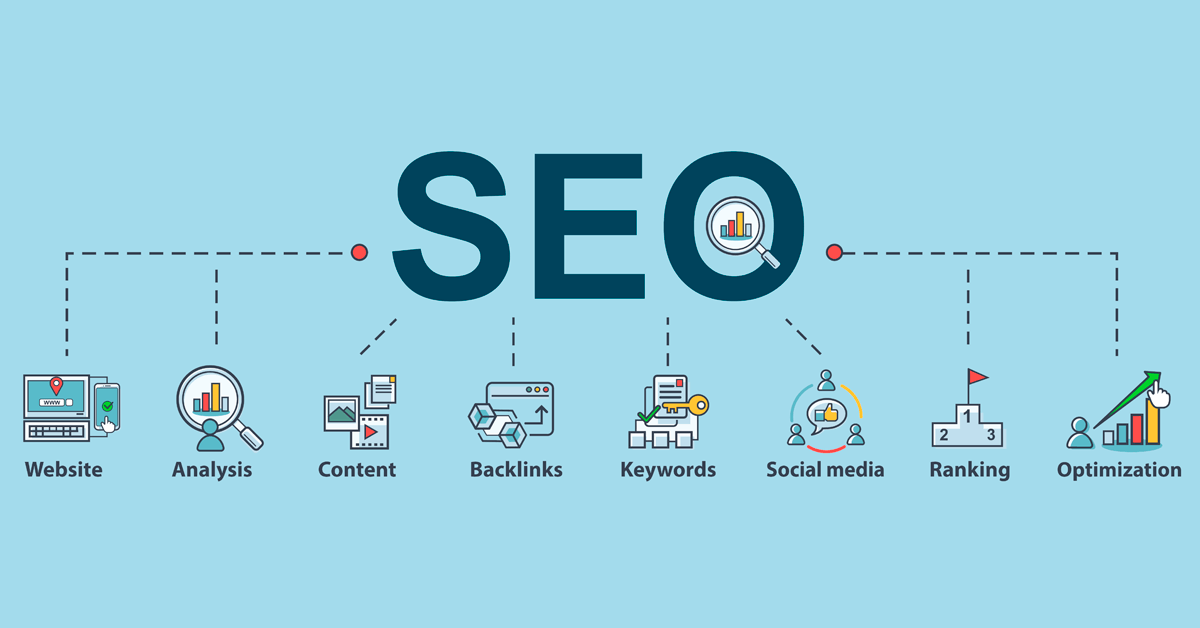
Search engine optimization is no longer driven solely by keywords and backlinks. Artificial intelligence (AI) is reshaping how search engines understand content, evaluate intent, and rank pages. As algorithms grow more sophisticated, SEO strategies must evolve to stay competitive in an AI-powered search landscape.
The Growing Role of AI in Search Engines
Modern search engines rely heavily on machine learning models to interpret queries and deliver relevant results. Instead of matching exact keywords, AI analyzes context, semantics, and user behavior to determine what searchers truly want.
This shift has reduced the effectiveness of outdated tactics like keyword stuffing and increased the value of helpful, intent-driven content.
How AI Understands Search Intent
One of AI’s biggest contributions to SEO is its ability to interpret search intent. Queries are no longer treated as isolated words but as expressions of needs, goals, or problems.
AI evaluates factors such as:
- Query phrasing and modifiers
- Historical search behavior
- Location, device, and timing
- Engagement with previous results
This allows search engines to distinguish between informational, navigational, and transactional intent with greater accuracy.
Content Creation in the Age of AI
AI has changed how content is evaluated, not just how it’s created. Search engines can now assess content depth, relevance, and usefulness more effectively.
High-performing content typically demonstrates:
- Clear topical focus
- Logical structure and readability
- Original insights or practical value
- Alignment with user intent
Rather than rewarding volume, AI-driven algorithms favor quality and clarity.
AI-Powered SEO Tools and Automation
AI has also transformed the SEO workflow itself. Many tools now use machine learning to automate complex tasks that once required manual effort.
Common AI-driven SEO capabilities include:
- Keyword clustering and topic modeling
- Content gap analysis
- Predictive ranking insights
- Automated technical audits
These tools allow marketers to make data-driven decisions faster, freeing time for strategy and creativity.
Personalized Search Results and SEO Impact
AI enables a higher level of search personalization. Two users searching the same query may see different results based on their preferences, history, and behavior.
For SEO professionals, this means:
- Rankings are more fluid and context-dependent
- Audience understanding matters more than generic optimization
- Engagement signals carry increasing weight
Optimizing for a single “average” user is no longer effective.
Voice Search and Conversational Queries
AI has accelerated the rise of voice search and conversational queries. These searches tend to be longer, more natural, and question-based.
To adapt, SEO strategies should emphasize:
- Natural language phrasing
- Clear answers to common questions
- Structured content with headings and lists
Content that mirrors how people speak often performs better in AI-driven search environments.
AI and the Future of Link Evaluation
While backlinks remain important, AI has improved how search engines evaluate link quality and relevance. Context, placement, and topical alignment now matter more than sheer quantity.
This reduces the impact of manipulative link-building tactics and rewards:
- Editorially earned links
- Brand mentions and citations
- Links from authoritative, relevant sources
Trust and credibility are increasingly central to SEO success.
Human Expertise Still Matters
Despite AI’s growing influence, SEO is not fully automated. Human judgment is essential for:
- Understanding audience needs
- Creating nuanced, persuasive content
- Making strategic decisions AI cannot contextualize
The future of SEO lies in collaboration between human expertise and AI-driven insights, not replacement.
Preparing for an AI-Driven SEO Future
To stay competitive, SEO strategies must evolve alongside AI advancements.
Key priorities include:
- Focusing on user-first content
- Building topical authority rather than chasing keywords
- Monitoring performance trends, not just rankings
- Continuously improving user experience
Adaptability will be the defining skill of successful SEO professionals.
Frequently Asked Questions (FAQs)
1. Will AI completely automate SEO in the future?
AI will automate many technical and analytical tasks, but strategy, creativity, and audience understanding will still require human involvement.
2. Does AI-generated content rank well in search engines?
AI-generated content can rank if it is accurate, helpful, and edited for quality, but low-value or generic content is unlikely to perform well.
3. How does AI affect keyword research?
AI shifts keyword research toward topics and intent, reducing reliance on exact-match keywords.
4. Is SEO becoming more difficult because of AI?
SEO is becoming more complex, but also more rewarding for those who focus on quality, relevance, and user experience.
5. How does AI influence featured snippets and rich results?
AI helps search engines identify concise, well-structured answers, increasing the importance of clear formatting and direct responses.
6. Can small websites compete with large brands using AI-driven SEO?
Yes. High-quality, niche-focused content can outperform larger sites when it better satisfies user intent.
7. What skills will SEO professionals need in an AI-driven future?
Analytical thinking, content strategy, technical understanding, and adaptability will be more important than manual optimization skills.
AI is not eliminating SEO—it’s redefining it. Those who embrace AI as a strategic partner rather than a threat will be best positioned for long-term search success.
