

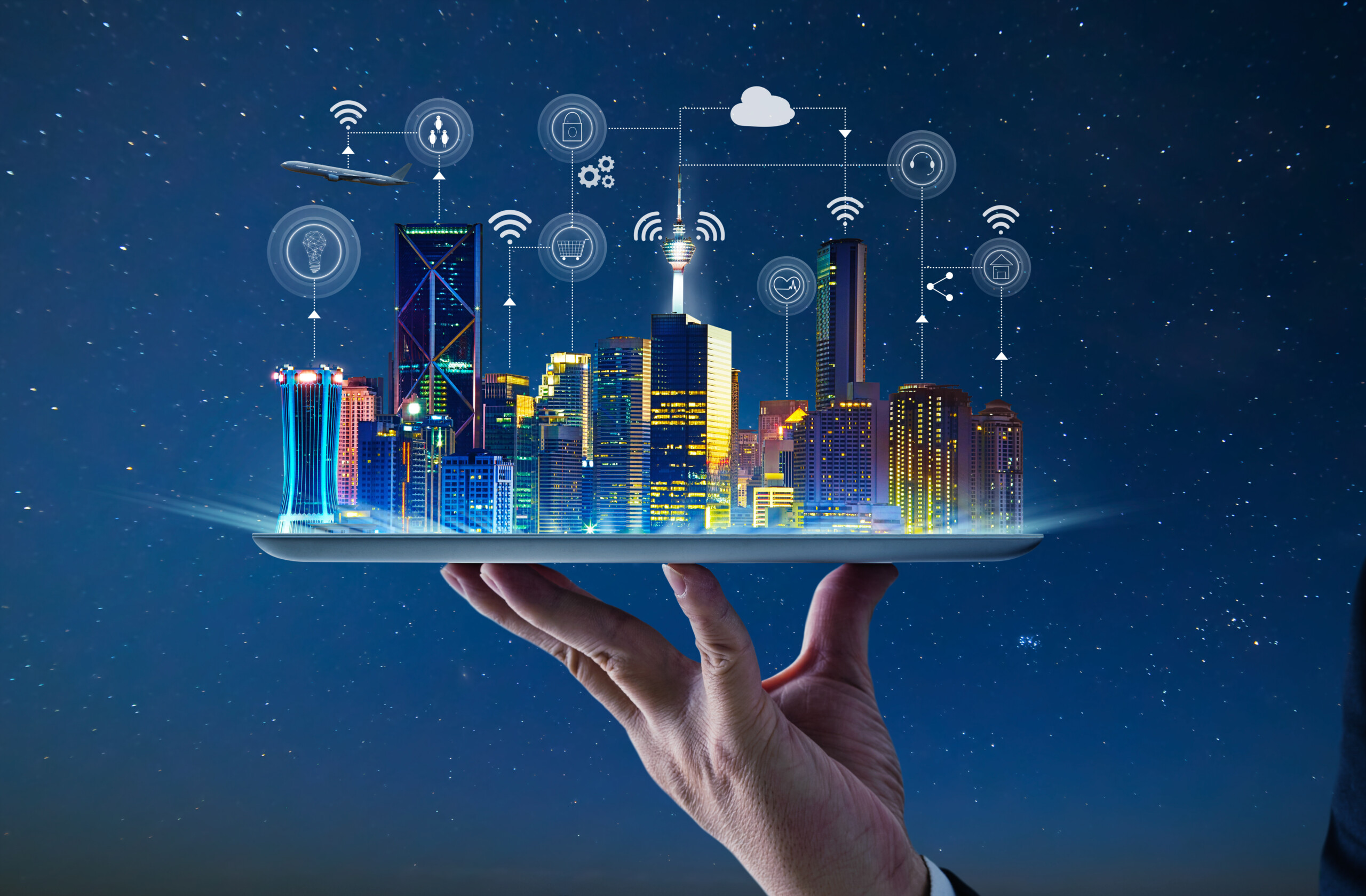
Technology is advancing at an unprecedented pace, redefining how businesses operate, how people interact, and how societies evolve. Emerging technology trends are not just incremental improvements—they are reshaping entire industries, influencing global economies, and changing everyday digital experiences. Understanding these trends is essential for organizations and individuals aiming to remain competitive and future-ready.
Artificial Intelligence and Machine Learning
Artificial Intelligence (AI) and Machine Learning (ML) continue to transform decision-making, automation, and personalization across industries.
Key impacts
- Predictive analytics for smarter business decisions
- Intelligent automation in customer support and operations
- Advanced pattern recognition in healthcare and finance
AI systems are moving beyond basic automation toward context-aware and adaptive intelligence, enabling more human-like interactions with technology.
Internet of Things (IoT)
The Internet of Things connects physical devices to digital networks, enabling real-time data collection and analysis.
How IoT is reshaping the digital landscape
- Smart cities optimizing traffic, energy, and public services
- Industrial IoT improving manufacturing efficiency
- Connected healthcare devices enabling remote monitoring
As IoT ecosystems expand, data-driven insights are becoming a core driver of operational efficiency.
Blockchain and Decentralized Technologies
Blockchain technology is redefining trust, transparency, and data integrity in digital transactions.
Key advantages
- Secure and tamper-resistant records
- Decentralized systems reducing single points of failure
- Greater transparency in supply chains and financial systems
Beyond cryptocurrencies, blockchain is increasingly used for identity verification, digital contracts, and data security.
Cloud Computing and Edge Computing
Cloud computing remains foundational to modern digital infrastructure, while edge computing brings processing closer to data sources.
Why this matters
- Faster data processing and reduced latency
- Scalable infrastructure for growing digital demands
- Better performance for real-time applications
Together, cloud and edge computing support high-performance systems for AI, IoT, and data-intensive applications.
Cybersecurity and Zero Trust Models
As digital transformation accelerates, cybersecurity has become a strategic priority rather than a technical afterthought.
Emerging security trends
- Zero Trust architectures that verify every access request
- AI-driven threat detection and response
- Greater focus on data privacy and compliance
Organizations are shifting toward proactive security models to counter increasingly sophisticated cyber threats.
Extended Reality (AR, VR, and MR)
Extended Reality (XR), which includes Augmented Reality (AR), Virtual Reality (VR), and Mixed Reality (MR), is transforming digital interaction.
Applications gaining momentum
- Immersive training and simulations
- Virtual collaboration environments
- Enhanced customer experiences in retail and entertainment
XR technologies are bridging the gap between physical and digital worlds, creating more engaging user experiences.
5G and Next-Generation Connectivity
Next-generation connectivity is enabling faster, more reliable communication across devices and platforms.
Benefits of advanced connectivity
- Ultra-low latency for real-time applications
- Improved support for IoT and smart infrastructure
- Enhanced mobile and remote work experiences
High-speed connectivity acts as a foundation for innovation, supporting emerging technologies at scale.
Automation and Intelligent Workflows
Automation is evolving from rule-based processes to intelligent workflows powered by data and AI.
Business benefits
- Reduced operational costs
- Faster execution of repetitive tasks
- Improved accuracy and consistency
Intelligent automation allows organizations to focus human effort on creativity, strategy, and problem-solving.
Final Thoughts
Emerging technology trends are shaping a digital world that is more connected, intelligent, and adaptive than ever before. From AI-driven insights to immersive digital experiences, these innovations are redefining how value is created and delivered. Staying informed and adaptable is no longer optional—it is essential for long-term success in the digital era.
Frequently Asked Questions (FAQs)
1. How quickly do emerging technologies typically reach mainstream adoption?
Adoption timelines vary, but many technologies take several years to mature and achieve widespread use.
2. Which industries are most impacted by emerging technologies?
Healthcare, finance, manufacturing, retail, and education are among the most heavily influenced sectors.
3. Are emerging technologies expensive to implement?
Costs vary widely depending on scale, complexity, and infrastructure requirements.
4. How can businesses prepare for rapid technological change?
Continuous learning, flexible strategies, and investment in scalable systems are key preparation steps.
5. What role does data play in emerging technologies?
Data is foundational, enabling insights, automation, personalization, and intelligent decision-making.
6. Do emerging technologies increase cybersecurity risks?
Yes, expanded digital ecosystems introduce new risks, making strong security strategies essential.
7. Will emerging technologies replace human jobs?
While some roles will change or be automated, new opportunities and skill demands continue to emerge.
