

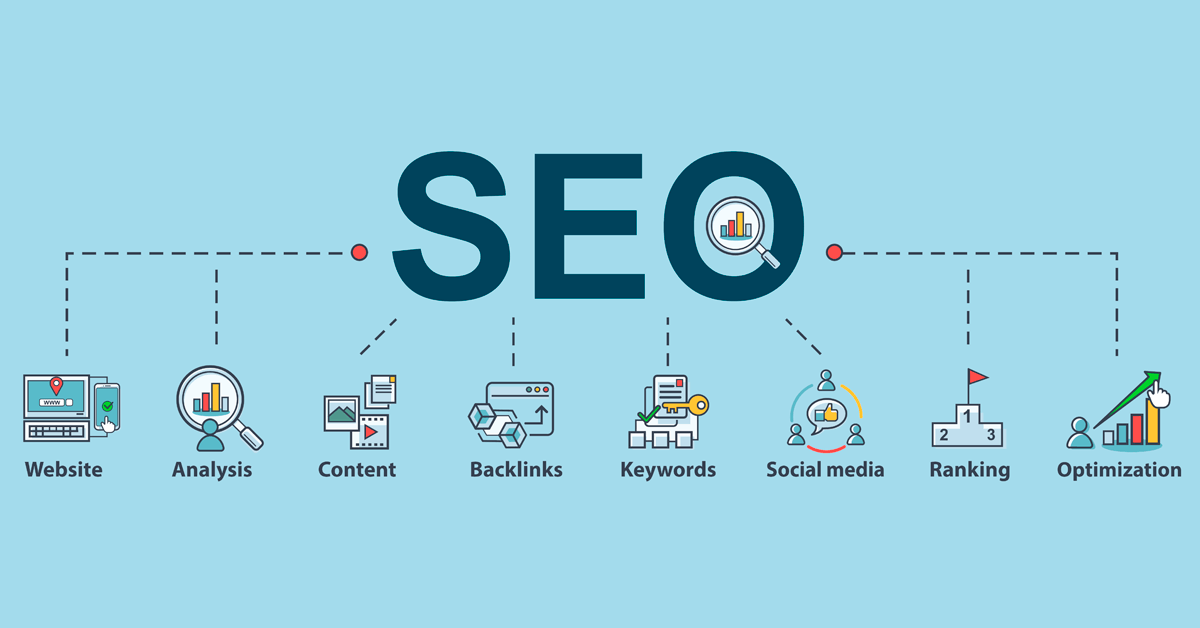
Introduction: Why SEO Remains Indispensable
In the sprawling expanse of the digital realm, millions of voices compete for the fleeting attention of internet users. Yet amid this clamor, only a fraction ever surface where they can truly be seen—on the first page of a search engine’s results. Search Engine Optimization, better known as SEO, is the craft and science that determines whether a website languishes in obscurity or stands prominent in a crowded marketplace. Far from being a mere technical afterthought, modern SEO is a dynamic, multi-dimensional discipline that blends strategy, content, technology, and human insight.
What Exactly is SEO?
At its core, SEO is the process of enhancing a website’s visibility in organic (non-paid) search engine results. The higher a page ranks for relevant queries, the greater its chances of attracting quality traffic. While the definition appears straightforward, the path to effective SEO is far from simple—largely because search engines like Google continually refine their algorithms to deliver the most relevant, high-quality information to users.
The Pillars of Effective SEO
Modern SEO rests on three foundational pillars that work together to achieve sustainable results.
1. On-Page SEO
On-page SEO focuses on optimizing the elements within your own website. This includes:
-
Keyword Research: Identifying the words and phrases your target audience uses when searching for information.
-
Content Quality: Crafting compelling, original content that satisfies user intent, answers questions, and encourages engagement.
-
Meta Tags: Writing clear and relevant meta titles and descriptions that entice users to click.
-
Internal Linking: Structuring your site so visitors (and search engines) can easily navigate related content.
-
User Experience (UX): Ensuring your site is mobile-friendly, loads quickly, and is easy to read.
2. Off-Page SEO
Off-page SEO involves factors outside your website that influence rankings.
-
Backlinks: Earning high-quality links from reputable websites signals to search engines that your content is trustworthy and authoritative.
-
Social Signals: While social media shares may not directly impact ranking, they can amplify content reach and attract links.
-
Brand Mentions: Online mentions of your brand—even without a direct link—can contribute to credibility in search algorithms.
3. Technical SEO
Technical SEO addresses the underlying structure of your website to ensure it can be properly crawled and indexed by search engines.
-
Site Architecture: A logical hierarchy and clear URL structure help both users and bots navigate your site.
-
XML Sitemaps and Robots.txt: These guide search engines on which pages to index and which to ignore.
-
Page Speed: Faster websites reduce bounce rates and are favored by search engines.
-
Security: HTTPS encryption is now a basic expectation for trustworthiness.
Content: The Heartbeat of SEO
While keywords and backlinks matter, it is content that binds SEO together. Search engines have become remarkably sophisticated at evaluating not just what words appear on a page, but how well they serve the user’s intent. Thin, keyword-stuffed pages that once gamed the system have given way to rich, authoritative content that educates, entertains, or solves a problem.
Qualities of SEO-Optimized Content
-
Relevance: Matches what people are actually searching for.
-
Depth: Covers a topic thoroughly, often supported by multimedia elements.
-
Freshness: Updated regularly to maintain accuracy and value.
-
Readability: Well-structured with headings, bullet points, and short paragraphs for easy scanning.
The Evolving Landscape: Trends Shaping SEO Today
SEO is anything but static. Shifts in technology, user behavior, and search engine algorithms continually redefine what works.
Voice Search
With the rise of smart assistants like Siri and Alexa, people increasingly use conversational queries. This trend favors long-tail keywords and natural language phrasing.
Mobile-First Indexing
Google now primarily uses the mobile version of a website for ranking and indexing. Sites that fail to perform well on smartphones risk dropping in search results.
Core Web Vitals
Google’s emphasis on user experience is clearer than ever. Core Web Vitals—metrics related to loading performance, interactivity, and visual stability—are now ranking factors.
AI and Machine Learning
Search engines use artificial intelligence to interpret context and user intent more effectively than ever before. This shift makes high-quality, human-centered content vital.
SEO and Ethics: Avoiding Black Hat Pitfalls
For every legitimate SEO strategy, there is a shortcut that promises fast results but risks long-term damage. These so-called black hat tactics—like keyword stuffing, cloaking, or buying spammy backlinks—may produce temporary spikes, but they almost always result in penalties or drops in rankings when search engines catch on.
Modern SEO is about building trust with users and search engines alike. Transparency, honesty, and a commitment to adding genuine value have replaced the era of trickery and loopholes.
The Role of Analytics: Measure, Refine, Repeat
SEO is never ‘set and forget’. It demands continuous measurement and refinement. Tools like Google Analytics, Google Search Console, and third-party platforms allow businesses to track keyword rankings, monitor traffic patterns, analyze backlinks, and identify opportunities for improvement.
Key SEO metrics to monitor include:
-
Organic Traffic: The volume of visitors arriving through search engines.
-
Bounce Rate: The percentage of visitors who leave after viewing only one page.
-
Click-Through Rate (CTR): How often users click on your search listings.
-
Conversion Rate: The percentage of visitors who complete a desired action, such as filling out a form or making a purchase.
The Human Factor: Why SEO Professionals Still Matter
Some imagine that SEO can be fully automated. In reality, while tools are indispensable, human judgment remains irreplaceable. Skilled SEO professionals interpret data, understand nuances in audience behavior, craft content strategies, and stay ahead of algorithm updates. They balance technical expertise with creativity and ethical responsibility.
Conclusion: A Discipline in Constant Motion
SEO is not a one-time project or a bag of digital tricks—it is an ongoing commitment to relevance and excellence. As search engines grow smarter and user expectations rise, businesses that invest in authentic, user-focused SEO will continue to stand out in an ever-crowded digital world.
In the end, mastering SEO is about more than securing a top spot on Google. It is about ensuring that when the right people go looking, they find you—and stay with you—because you have earned your place through quality, trust, and meaningful connection.
