

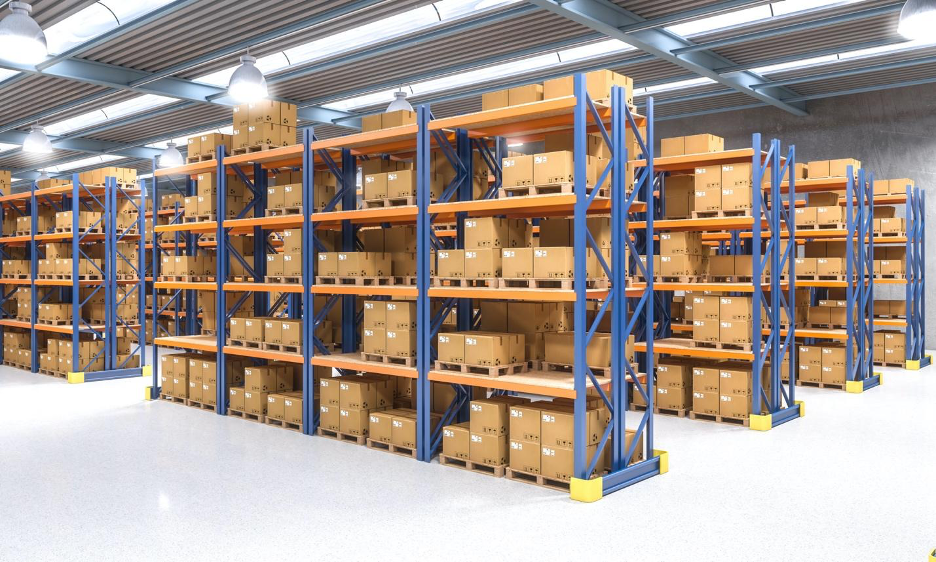
What is a Pallet Racking System?
A pallet racking system is a vital storage solution specifically designed to hold pallets of goods in warehouses or distribution centres. Composed of vertical frames, horizontal beams, and various accessories, this system creates organised storage spaces for palletised items. The primary goal of pallet racking is to maximise vertical space, enabling warehouses to stack products at height and optimise storage efficiency while ensuring easy access for inventory rotation and retrieval.
The design of a pallet racking system plays a crucial role in its effectiveness. Typically constructed from durable steel, the frames are engineered to support substantial loads, while adjustable beams accommodate various pallet sizes. This flexibility is especially advantageous for warehouses handling a diverse array of products. Forklifts and pallet jacks are commonly employed to move pallets in and out of the racks, ensuring a seamless flow of goods throughout the facility.
In essence, pallet racking systems facilitate efficient inventory movement. With designs that prioritise accessibility, workers can quickly retrieve items, thereby enhancing the efficiency of order fulfilment. This capability is essential for maintaining a responsive supply chain, where delays can negatively affect customer satisfaction. By understanding the operation of a pallet racking system, warehouse managers can make informed decisions regarding its implementation and optimise their overall operations.
Advantages of Implementing a Pallet Racking System
Implementing a pallet racking system offers numerous advantages that significantly enhance warehouse operations.
Improved Space Utilisation
One of the primary benefits is the enhanced utilisation of space. By leveraging vertical storage capabilities, warehouses can increase their storage capacity without the need for physical expansion. This is especially beneficial for businesses with limited space, allowing them to store more products within the same footprint and reducing costs associated with real estate.
Enhanced Inventory Management
Another key advantage is improved inventory management. A well-organised pallet racking system facilitates the systematic categorisation and storage of products, making it easier to track stock levels and locate items. This organised approach minimises errors during order fulfilment and enables employees to quickly retrieve the correct items, reducing the risk of overstocking or stock-outs. As a result, this leads to more efficient inventory turnover and lower holding costs.
Increased Employee Productivity
Additionally, the implementation of a pallet racking system can significantly boost employee productivity. A clear organisation of products allows workers to navigate the warehouse more efficiently, decreasing the time spent searching for items. This streamlined process accelerates order fulfilment and enhances overall workflow, creating a more productive work environment. Increased speed and accuracy in order processing also contribute to higher customer satisfaction, as orders are fulfilled more promptly and accurately.
Types of Pallet Racking Systems Available
There are several types of pallet racking systems designed to meet specific storage requirements and accommodate various warehouse layouts.
Selective Pallet Racking
The most common type is selective pallet racking, which provides direct access to each pallet. This system is ideal for warehouses that require frequent access to a diverse range of products. Selective racks are highly versatile and can accommodate different pallet sizes, making them a popular choice for many businesses.
Drive-In and Drive-Through Racking
Another widely used option is drive-in and drive-through racking systems.These systems allow forklifts to drive directly into the rack for storage or retrieval, making them particularly beneficial for high-density storage where space is limited. In a drive-in system, the last pallet stored is the last to be retrieved, suitable for first-in, last-out (FILO) inventory management. In contrast, drive-through racking offers access from both sides, facilitating a first-in, first-out (FIFO) approach, which is essential for managing perishable goods.
Pallet Flow Racking
A third type is a pallet flow racking system ,which utilises gravity to move pallets along a sloped track. This system enables high-density storage and automatic stock rotation, making it an excellent choice for businesses handling large volumes of products with short shelf lives.
By selecting the appropriate type of pallet racking system, businesses can optimise their storage capabilities in alignment with their inventory management strategies and operational needs.
Key Considerations for Choosing a Pallet Racking System
When selecting a pallet racking system for your warehouse, several critical factors must be considered to ensure optimal performance and efficiency. Begin by assessing the types of products you will store. Understanding the dimensions, weight, and handling requirements of your inventory is essential for choosing a racking system that meets those specific needs. For example, heavier items may require more robust racking solutions, while lighter products might allow for greater design flexibility.
The warehouse layout is another vital consideration. The available space, including ceiling height and floor area, will significantly influence your choice of racking system. High-ceiling warehouses can benefit from taller racking solutions, whereas smaller spaces may necessitate more compact designs. Additionally, consider the workflow within the warehouse, such as how products will be received, stored, and dispatched. A well-planned layout not only maximises storage capacity but also enhances the efficiency of daily operations.
Safety must also be a priority when selecting a pallet racking system. Compliance with safety standards and regulations is crucial for protecting employees and minimising risks. This involves evaluating the durability of materials, ensuring correct installation, and conducting regular maintenance checks. Investing in a high-quality racking system that meets safety standards will contribute to a safer working environment, significantly reducing the likelihood of accidents and injuries.
Steps for Effective Implementation of a Pallet Racking System
Implementing a pallet racking system requires a series of strategic steps to ensure a successful integration into warehouse operations. The initial step involves conducting a comprehensive needs assessment, which evaluates current inventory management practices, space constraints, and projections for future growth. This assessment provides critical insights into the most suitable type of racking system and layout tailored to your specific requirements.
Following the needs assessment, the next phase is to design the layout of the racking system. This process includes creating a detailed plan that specifies the dimensions, configurations, and placement of racks within the warehouse. Collaborating with warehouse personnel during this phase can yield practical insights and ensure that the design aligns with operational workflows and safety considerations.
Once the design is finalised, the installation process can begin. It is vital to adhere to the manufacturer’s guidelines and relevant safety regulations during installation to ensure that the racking system is secure and stable. After installation, comprehensive training should be provided to employees on the effective use of the new system, including best practices for loading and unloading pallets, conducting inventory checks, and maintaining safety protocols. By following these structured steps, businesses can successfully implement a pallet racking system that enhances warehouse operations and overall efficiency.
Best Practices for Organising and Maintaining Your Pallet Racking System
To ensure optimal performance of a pallet racking system, it is crucial to follow effective organisational and maintenance practices. A foundational element is the implementation of a systematic inventory management strategy. This approach involves categorising products according to factors such as size, weight, and usage frequency. By positioning frequently accessed items at eye level and locating less frequently needed items higher up, warehouses can enhance operational efficiency and minimise retrieval times.
In addition to organisation, regular inspections and maintenance are essential for ensuring the longevity and safety of the racking system. Conducting routine checks for signs of wear, damage, or instability allows for the early identification of potential issues, preventing them from escalating. Establishing a maintenance schedule that incorporates regular inspections, cleaning, and necessary repairs will help keep the racking system in optimal condition. This proactive maintenance not only extends the life of the system but also fosters a safer working environment.
Moreover, cultivating a culture of safety and organisation among warehouse personnel is vital. Providing training on proper pallet handling and the significance of maintaining an orderly workspace can significantly boost overall productivity. Encouraging employees to report safety concerns or maintenance issues promotes a proactive approach to workplace safety. By integrating these best practices, businesses can ensure their pallet racking system operates at peak efficiency while minimising risks and disruptions.
Tackling Common Issues in Warehouse Operations with Pallet Racking Systems
Although pallet racking systems provide a range of advantages, they can also introduce challenges that must be effectively managed to ensure seamless operations. One prevalent issue is the risk of overloading racks, which can pose safety hazards and lead to structural failures. To address this concern, it is crucial to be fully aware of the weight limits associated with the racking system and to ensure that pallets are loaded accordingly. Providing regular training and reminders to staff regarding these weight limits can significantly reduce the likelihood of overloading.
Another challenge often encountered is inventory mismanagement, which can result in difficulties when locating items and frequent discrepancies in stock levels. To combat this issue, implementing a comprehensive inventory management system is essential. Utilising barcodes or RFID tags can enhance tracking accuracy and facilitate proper logging within the inventory system. Conducting regular audits and reconciliations will further ensure inventory integrity and help mitigate discrepancies.
Lastly, creating a safe working environment is paramount in warehouses utilising pallet racking systems. Failure to adhere to safety protocols can lead to accidents. To prevent such incidents, it is important to establish thorough safety training programs that cover the proper use of equipment, safe handling techniques, and emergency response procedures. Conducting regular safety drills and reviewing safety policies will reinforce a culture of safety and significantly lower the risk of workplace accidents.
The Impact of Pallet Racking on Warehouse Efficiency
In summary, a strategically designed pallet racking system provideda specialist commercial storage solution supplier plays a crucial role in boosting the efficiency and productivity of warehouse operations. By maximising space utilisation, streamlining inventory management, and enhancing employee output, businesses can better meet the demands of the market. The capability to quickly organise and access inventory not only refines operational processes but also improves customer satisfaction.
Implementing best practices and ensuring regular maintenance are key to keeping the racking system safe and operational over time. By actively managing inventory and tackling common challenges, warehouses can foster an environment that promotes growth and efficiency.
Ultimately, viewing the investment in a pallet racking system as a strategic initiative can lead to significant enhancements in warehouse operations. By recognising the advantages and customising solutions to fit their specific requirements, businesses can position themselves for success in a competitive environment. With the right strategy, a pallet racking system can revolutionise warehouse management and pave the way for new levels of operational excellence.
